
Understanding Home Loan Options: A Complete Guide for Buyers
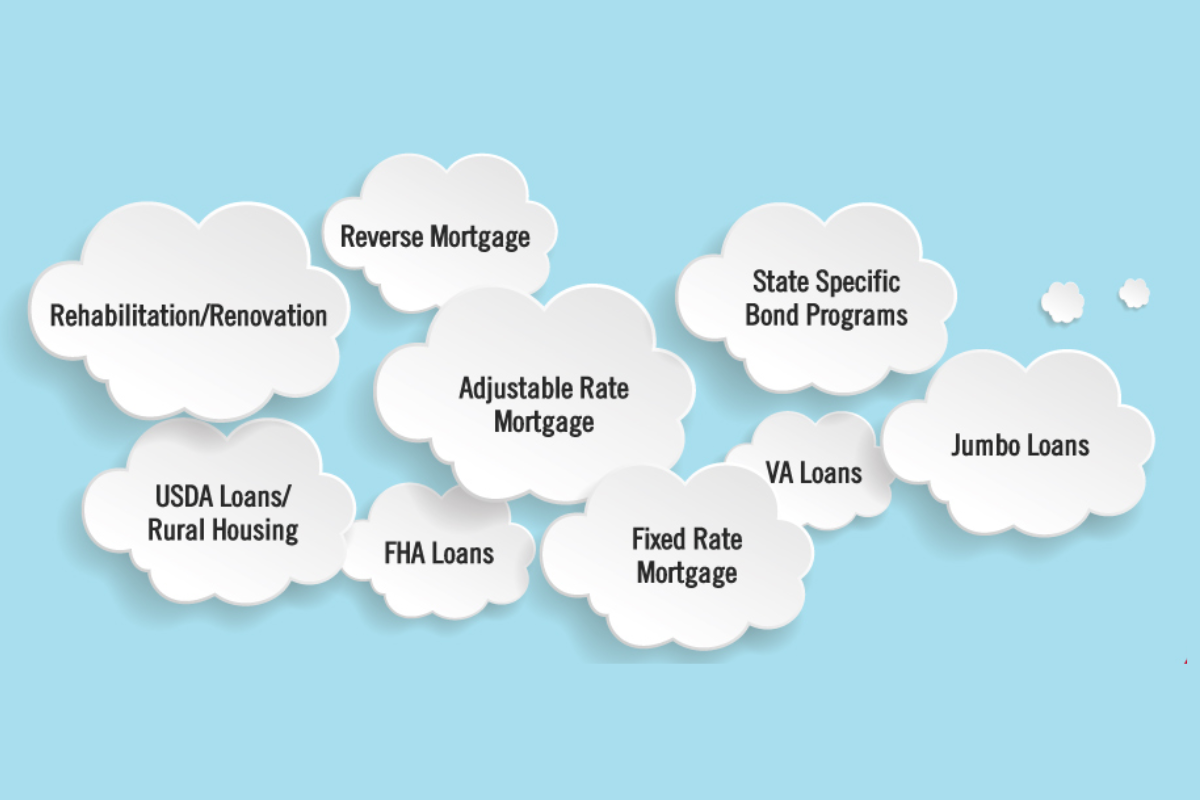
Buying a home is one of the biggest financial decisions you’ll ever make, and understanding your loan options is one of the best ways to feel confident before you start shopping. Each loan type is designed for a different kind of buyer, financial situation, property type, and long-term goal. Some loans help buyers with lower down payments, some are designed for veterans, some work better for luxury homes, and others may help buyers purchase in rural or foothill communities.
Conventional Loans
Conventional loans are one of the most common mortgage options and are not directly backed by the government. They are often a great fit for buyers with solid credit, steady income, and some money saved for a down payment. Conventional loans can be used for primary homes, second homes, and investment properties, which makes them one of the more flexible financing options.
These loans may allow down payments as low as 3% for qualified buyers, although many buyers choose to put 5%, 10%, or 20% down depending on their goals. If a buyer puts less than 20% down, private mortgage insurance, often called PMI, is usually required. The stronger the buyer’s credit score, income, and debt-to-income ratio, the better the loan terms may be.
FHA Loans
FHA loans are backed by the Federal Housing Administration and are designed to make homeownership more accessible. They can be especially helpful for first-time buyers, buyers with lower credit scores, or buyers who do not have a large down payment saved.
One of the biggest benefits of an FHA loan is the low down payment requirement, which can be as little as 3.5% for qualified buyers. FHA loans also tend to have more flexible credit guidelines than conventional loans. However, buyers should know that FHA loans include mortgage insurance, which can affect the monthly payment and overall cost of the loan.
VA Loans
VA loans are available to eligible veterans, active-duty service members, certain National Guard and Reserve members, and some surviving spouses. These loans are backed by the U.S. Department of Veterans Affairs and can offer some of the strongest benefits available to home buyers.
For qualified buyers, a VA loan may allow 0% down, no private mortgage insurance, and competitive interest rates. This can make a significant difference in affordability. Buyers using a VA loan will need to meet eligibility requirements and obtain a Certificate of Eligibility. The lender will also review credit, income, and the buyer’s ability to repay the loan.
USDA Loans
USDA loans are designed to encourage homeownership in eligible rural and suburban areas. Many buyers are surprised to learn that some communities outside larger cities may qualify, making this loan option worth exploring for buyers interested in foothill, rural, or less densely populated areas.
A USDA loan may allow qualified buyers to purchase a home with 0% down. These loans do have income limits, property location requirements, and occupancy rules. The home must be used as the buyer’s primary residence, and the property must be located in a USDA-eligible area.
Jumbo Loans
Jumbo loans are used when the loan amount is higher than the standard conforming loan limit. These loans are common for higher-priced homes, luxury properties, larger estates, and homes in more competitive or higher-value markets.
Because jumbo loans involve larger loan amounts, lenders usually have stricter requirements. Buyers may need a higher credit score, a larger down payment, strong income, and additional cash reserves. For buyers purchasing luxury homes or unique foothill properties, jumbo financing can be an important option to understand early in the process.
Adjustable-Rate Mortgages
An adjustable-rate mortgage, often called an ARM, starts with a fixed interest rate for a set period of time and then adjusts based on market conditions. Common examples include 5-year, 7-year, or 10-year ARMs.
This type of loan may be helpful for buyers who plan to sell, refinance, or move before the adjustable period begins. The benefit is often a lower starting interest rate, but buyers need to understand that the payment can change in the future. ARMs can be useful in the right situation, but they should be reviewed carefully with a trusted lender.
Fixed-Rate Mortgages
A fixed-rate mortgage has an interest rate that stays the same for the life of the loan. This means the principal and interest portion of the payment remains predictable, which many buyers appreciate when planning their long-term budget.
Fixed-rate loans are often a good fit for buyers who plan to stay in their home for many years or want the stability of knowing their payment will not change due to interest rate adjustments. While taxes, insurance, and other housing costs may still change over time, the loan payment itself remains more consistent.
Down Payment Assistance Programs
Down payment assistance programs are designed to help qualified buyers with the upfront costs of purchasing a home. These programs may come in the form of grants, forgivable loans, deferred-payment loans, or low-interest second loans.
These programs are often helpful for first-time buyers or buyers who have enough income to make a monthly payment but need help with the down payment or closing costs. Requirements vary by program and may include income limits, purchase price limits, credit guidelines, and homebuyer education courses.
First-Time Home Buyer Programs
First-time home buyer programs can help buyers understand the process, reduce upfront costs, and access loan options designed for new buyers. In many cases, a “first-time buyer” does not always mean someone who has never owned a home. Some programs define a first-time buyer as someone who has not owned a home in the past three years.
These programs may include lower down payment options, assistance with closing costs, special interest rate programs, or education resources. They can be especially valuable for buyers who are financially ready for a monthly payment but need guidance on how to structure the purchase.
CalHFA Loan Programs
For California buyers, CalHFA programs may provide additional support through down payment and closing cost assistance. These programs are often paired with FHA, VA, USDA, or conventional loans and are designed to help qualified buyers purchase a primary residence in California.
CalHFA programs typically have income limits, credit requirements, and education requirements. They can be a helpful option for buyers who need assistance with upfront costs, but they should be reviewed carefully with a lender who understands California financing programs.
Bank Statement Loans
Bank statement loans may help self-employed buyers or business owners who have strong cash flow but do not show income in the same way as traditional W-2 employees. Instead of relying only on tax returns, lenders may review personal or business bank statements to evaluate income.
These loans can be useful for entrepreneurs, independent contractors, and small business owners. However, they may require a larger down payment, strong credit, and higher interest rates than traditional loans. Buyers considering this option should work with a lender experienced in self-employed borrower programs.
Bridge Loans
A bridge loan is a short-term loan that can help a buyer purchase a new home before selling their current home. This can be helpful in a competitive market where a buyer needs to make a stronger offer without waiting for their existing home to close.
Bridge loans can provide flexibility, but they also come with risk because the buyer may temporarily carry two properties or two payments. This option is usually best for buyers with strong equity, strong financial reserves, and a clear plan for selling their current home.
Renovation Loans
Renovation loans allow buyers to finance both the purchase of a home and the cost of certain improvements into one loan. This can be helpful when a buyer finds a home in the right location but the property needs updates, repairs, or improvements.
These loans may be useful for buyers who are open to homes that need work but do not want to pay for renovations completely out of pocket after closing. Renovation loans have specific guidelines, contractor requirements, and approval steps, so they require planning and a lender who understands the process.
What Lenders Look For
No matter which loan option a buyer chooses, lenders usually review several key factors. These include credit score, income, employment history, debt-to-income ratio, down payment, savings, and the overall condition and value of the property.
A buyer does not have to be perfect to qualify for a home loan, but they do need to understand where they stand financially. Getting pre-approved early is one of the best ways to identify the right loan program, understand the budget, and avoid surprises once the home search begins.
Why the Right Loan Matters
Choosing the right loan is not just about the interest rate. It can affect the buyer’s down payment, monthly payment, offer strength, closing timeline, and long-term financial comfort. The right loan can make the difference between feeling stretched and feeling prepared.
In the Auburn and surrounding foothill markets, it is especially important to understand how financing works with different property types. Rural homes, acreage, wells, septic systems, manufactured homes, higher-priced properties, and unique foothill estates may all require additional lending considerations.
Final Thoughts: Understanding Your Options Before You Buy
Home financing can feel overwhelming at first, but the right guidance makes it much easier to understand. There are loan options for many different types of buyers, including first-time buyers, veterans, self-employed buyers, move-up buyers, and buyers looking for rural or luxury properties.
Before starting your home search, connect with a knowledgeable lender and a local real estate professional who understands the market, the property types, and the financing options available. When you know your options upfront, you can shop with confidence and make stronger decisions throughout the buying process.