

Zinsco Electrical Panels: Why Homeowners Need to Pay Attention
Many homeowners are being caught off guard during inspections, insurance reviews, and real estate transactions when they hear the words: “This home has a Zinsco electrical panel.” For many years, Zinsco panels were commonly installed in homes, especially homes built between the 1950s and late 1970s. At the time, they were considered a standard electrical panel. Today, however, Zinsco panels are widely flagged by home inspectors, electricians, and insurance companies because of safety concerns.
As a local real estate expert, I pay close attention to these details because they can have a major impact on a homeowner’s safety, insurance coverage, and ability to sell their home. Electrical panels are not just a small item buried inside an inspection report. They can affect negotiations, buyer confidence, insurance approval, repair requests, and the overall marketability of a property.
What Is a Zinsco Electrical Panel?
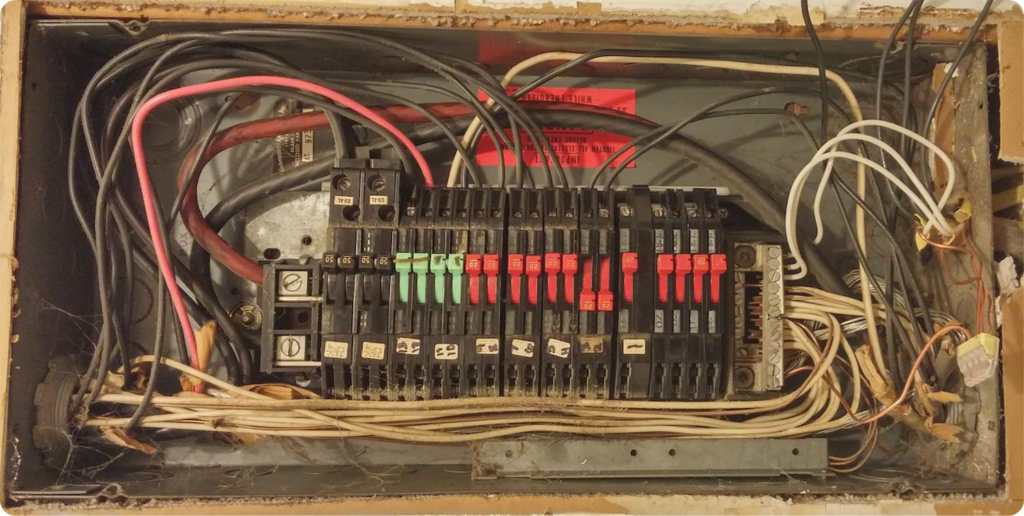
A Zinsco electrical panel is an older style of electrical service panel that was commonly used in residential construction decades ago. These panels may also be labeled as Sylvania-Zinsco or GTE-Sylvania, which means a homeowner may not immediately recognize the panel as a Zinsco system just by looking at the name.
The electrical panel is the main control center for a home’s electrical system. Its job is to distribute power safely throughout the home and to shut power off when there is an overload, short circuit, or unsafe electrical condition. When a breaker does not trip properly, wiring can overheat, components can become damaged, and the risk of fire can increase.
Why Are Zinsco Panels Being Flagged as a Fire Hazard?
The concern with Zinsco panels is that the breakers may not perform the way they are supposed to. A breaker is designed to shut off power when a circuit is overloaded or when there is a dangerous electrical fault. With Zinsco panels, there have been concerns that breakers may fail to trip, overheat, melt to the bus bar, or continue allowing power to flow even when they appear to be turned off.
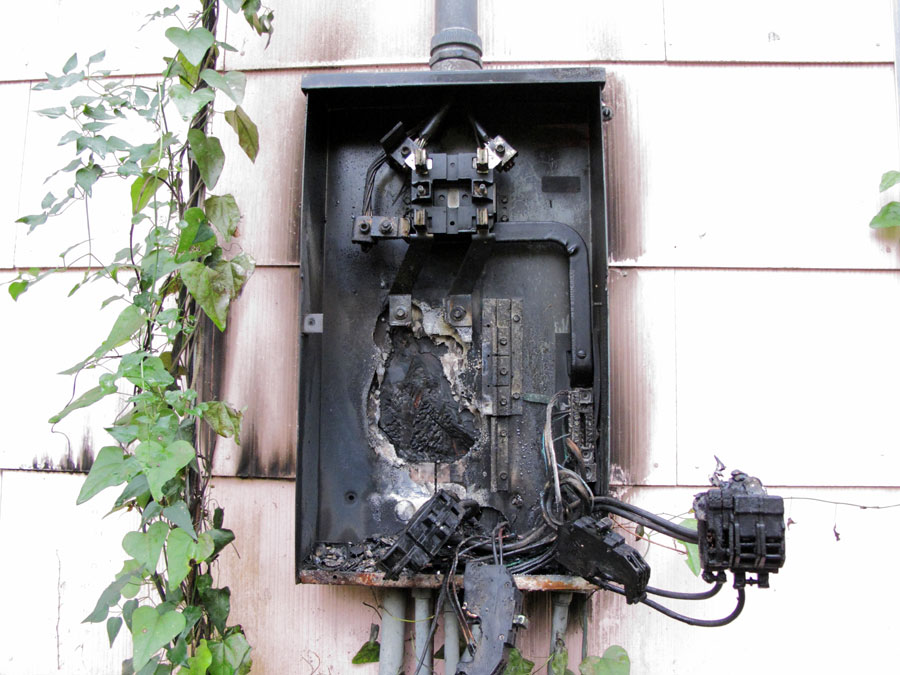
One of the most concerning issues is that a Zinsco panel can look completely normal from the outside. The lights may work. The outlets may work. The appliances may work. A homeowner may have no obvious sign that anything is wrong. The concern is often hidden inside the panel, where overheating, corrosion, damaged breakers, or compromised connections may not be visible without a qualified electrician evaluating the system.
This is why Zinsco panels are taken seriously. The issue is not simply that the panel is old. The issue is that the panel may not protect the home when protection is needed most. For homeowners, that makes it an important safety issue, not just a cosmetic or routine maintenance concern.
Why Insurance Companies Are Requiring Replacement
Insurance companies evaluate risk. If an electrical panel has a known history of safety concerns, an insurance company may decide that the home is too risky to insure unless the panel is replaced. In some cases, homeowners may be told that the insurance company will not issue a new policy, will not renew an existing policy, or will require replacement within a specific timeframe.
This is especially important in California, where homeowners are already dealing with stricter insurance requirements. Older roofs, wildfire exposure, outdated electrical systems, deferred maintenance, and older plumbing can all affect insurability. A Zinsco panel can become one more issue that causes an insurance company to pause, deny coverage, or require repairs.

Are you getting ready to sell?
For homeowners who are thinking about selling, this can become a real estate issue very quickly. A buyer may love the home, but if their insurance company will not insure it with the existing electrical panel, the transaction can be delayed or placed at risk. That is why it is better to know about the issue before the home goes on the market.
Homes Built Between 1950 and 1979 Should Be Checked
If your home was built between the 1950s and late 1970s, it is worth checking what type of electrical panel you have. This does not mean every home from that time period has a Zinsco panel, but it does mean the home falls within the era when these panels were commonly installed.
Many homes throughout Auburn, Meadow Vista, Newcastle, Loomis, Foresthill, Lake of the Pines, and the surrounding Foothills were built or remodeled during this period. Some have already had their electrical systems updated. Others may still have original panels that have been in place for decades.
BE AWARE!
A homeowner should not assume that because the home has “worked fine for years,” the panel is safe by today’s standards. Electrical demand has changed dramatically. Modern households use more power for heating and cooling systems, appliances, computers, chargers, pool equipment, wells, workshops, lighting, and outbuildings. Older panels were not always designed for the way we live today.
How to Know If You Have a Zinsco Panel
Homeowners can start by looking at the electrical panel door or label. Some Zinsco panels may say Zinsco, Sylvania, GTE-Sylvania, or Sylvania-Zinsco. They may also have distinctive breaker handles that are colored red, blue, green, or white. However, homeowners should never remove the interior panel cover or touch the wiring inside the panel.
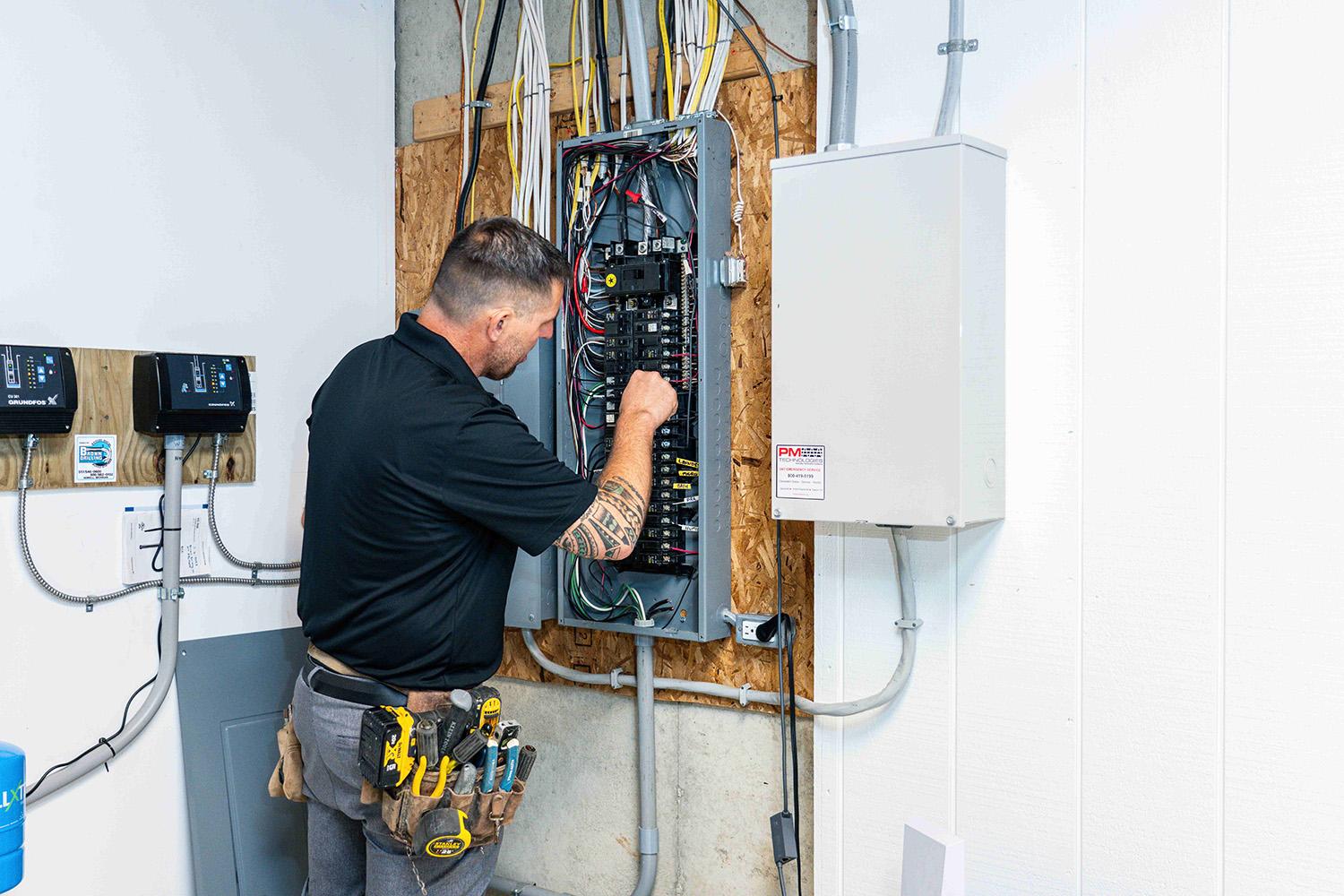
The safest way to confirm whether you have a Zinsco panel is to hire a licensed electrician. A qualified electrician can identify the panel, inspect for visible signs of overheating or damage, evaluate the condition of the electrical system, and explain what replacement may involve.
What Is Involved in Replacing a Zinsco Panel?
Replacing a Zinsco electrical panel is not the same as changing a light fixture or swapping out a breaker. It is a licensed electrical project that may involve evaluation, permitting, utility coordination, installation, inspection, and possible upgrades depending on the condition of the home and local code requirements.
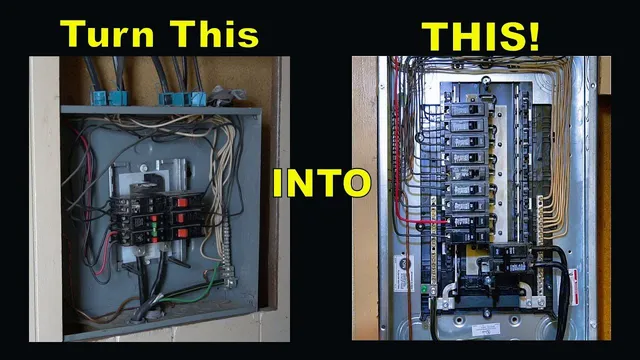
In many cases, the electrician will replace the entire panel with a modern electrical panel that meets current safety standards. The electrician may also evaluate the service size, grounding, bonding, meter location, main disconnect, and whether any additional electrical corrections are needed.
The scope of work can vary from home to home. Some panel replacements are relatively straightforward. Others become more involved if the home has older wiring, an undersized electrical service, unpermitted additions, detached structures, well equipment, septic controls, pool equipment, or other electrical loads.
This is why homeowners should avoid guessing at the cost or assuming the repair is simple. The right first step is to have the panel evaluated by a licensed electrician and, if needed, obtain a written estimate for replacement.
Can You Just Replace the Breakers?
In most cases, simply replacing the breakers is not considered the best solution. The concern with Zinsco panels is often related to the panel system itself, including the breaker connection to the bus bar. If the panel design or internal components are the issue, replacing individual breakers may not fully resolve the safety concern.
This is why many electricians recommend full panel replacement rather than trying to repair or patch an outdated Zinsco system. A licensed electrician can explain the safest and most appropriate option for the specific home.
Will Insurance Pay for the Replacement?
In most cases, homeowners insurance does not pay to replace an old electrical panel simply because it is outdated, worn, or required for insurance approval. Homeowners insurance is generally designed to cover sudden and accidental damage from covered events, not routine maintenance, aging systems, or upgrades needed to make a home insurable..
That means the cost of replacing a Zinsco panel is usually the homeowner’s responsibility. However, replacing the panel may help protect the home, satisfy insurance requirements, improve buyer confidence, and remove a potential obstacle during a future sale.
If an insurance company has flagged the panel, homeowners should ask exactly what documentation will be required after replacement. The insurance company may request an electrician’s invoice, permit record, photos of the new panel, or proof of final inspection.
Why This Matters When Buying or Selling a Home
For buyers, a Zinsco panel should not automatically mean you walk away from a property, but it should be taken seriously. The buyer should understand the risk, request professional evaluation, and determine what replacement may involve before moving forward.
For sellers, a Zinsco panel can become a negotiation issue. Even if the home is beautiful, updated, and well maintained, an outdated electrical panel may raise concerns for the buyer, the buyer’s inspector, the buyer’s insurance company, and sometimes the lender.
This is where preparation matters. When a seller knows about the issue ahead of time, they can decide whether to replace the panel before listing, obtain bids, disclose the condition properly, or prepare for the issue to come up during negotiations.
My Role as Your Real Estate Expert
As a real estate expert, I look beyond the surface of a home. Paint, staging, landscaping, and photography are important, but the systems behind the walls matter just as much. Electrical panels, roofs, insurance concerns, defensible space, septic systems, wells, drainage, and access can all affect value, safety, and the ability to close smoothly.
When I walk through a home, I am not only looking at how it shows. I am also looking for issues that may impact inspections, negotiations, insurance, buyer confidence, and future resale. Zinsco electrical panels are one of those details that many homeowners have never heard of until it becomes a problem.
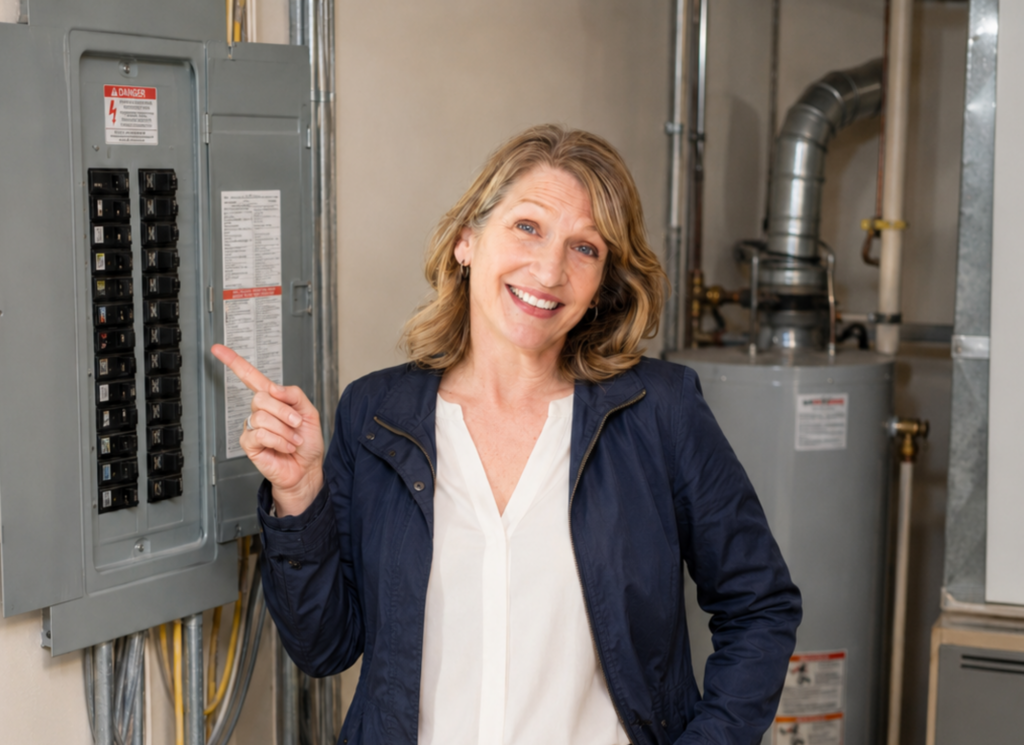
My goal is to educate homeowners before they are caught off guard. Whether you are preparing to sell, thinking about buying, or simply trying to understand the condition of your home, knowing what kind of electrical panel you have is an important part of responsible homeownership.
Final Thought
A Zinsco panel is not something to ignore. If your home was built between the 1950s and 1970s, or if you are unsure what type of electrical panel you have, it is worth having it evaluated by a licensed electrician. Finding out now is far better than being surprised during escrow, denied insurance coverage, or discovering a safety issue too late.
Real estate is not just about buying and selling homes. It is about helping people understand the homes they own, the risks they may not see, and the steps they can take to protect their investment.