
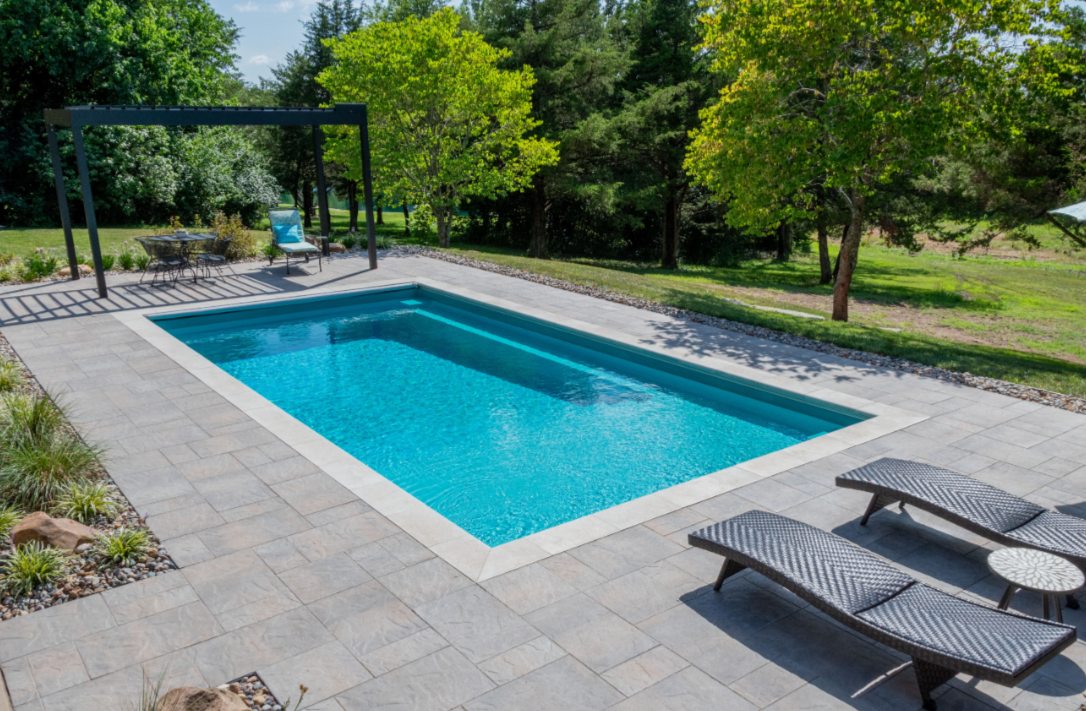
Thinking About Adding a Pool to a Foothill Home? Start With the Land First
A swimming pool can be one of the most beautiful additions to a foothill property. In our area, a pool is not just about summer afternoons, grandkids, entertaining, or creating a resort-style backyard. It is also about understanding the land underneath it.
In Placer County and the Sierra Foothills, pool planning can be more involved than it is on a flat suburban lot. Many properties have slopes, septic systems, wells, ponds, seasonal creeks, easements, oak trees, rock outcroppings, access issues, and fire-conscious design considerations. Before anyone falls in love with a pool rendering, the smarter first question is: where can the pool legally and practically go?
Why Setbacks Matter
Setbacks are the required distances between a proposed improvement and property lines, septic components, wells, watercourses, easements, or other protected areas. They are not all controlled by one department, and they are not the same for every property.
For example, Placer County’s zoning standards include specific swimming pool and pool equipment setbacks based partly on parcel size. For parcels 2.3 acres or less, the county code currently lists pool setbacks of 25 feet from the front, 10 feet from the street-side, and 3 feet from side and rear property lines. For parcels greater than 2.3 acres, the listed setbacks are larger: 50 feet from the front and 25 feet from street-side, side, and rear property lines. Pool equipment may have its own setback rules, and the county notes that pool setbacks are measured from the waterline, while equipment setbacks are measured from the closest point of the equipment or enclosure. Always verify the current rule for the specific parcel before designing. Source: [Placer County Code, Section 17.54.140](https://ecode360.com/43592759)
Septic Systems Can Change the Whole Plan
If the home is on septic, the pool location has to be evaluated around the existing septic tank, leach field, and the required 100% repair area. This is one of the most important foothill issues because the “best-looking” place for a pool may be exactly where the septic system or future replacement area needs to remain undisturbed.
Placer County Environmental Health specifically tells property owners planning a pool, pond, second driveway, outbuilding, or addition to be aware of the location of the onsite sewage disposal system and 100% repair area. The county also notes that there are required setbacks from structures to the leach field, septic tank, and repair area. Source: [Placer County Septic Systems](https://www.placer.ca.gov/3300/Septic-Systems)
This is why a septic map, as-built drawing, or Environmental Health file review should happen early. If records are old, incomplete, or unclear, a qualified septic professional may need to help locate the system before any pool design moves forward.
Wells Need Protection Too
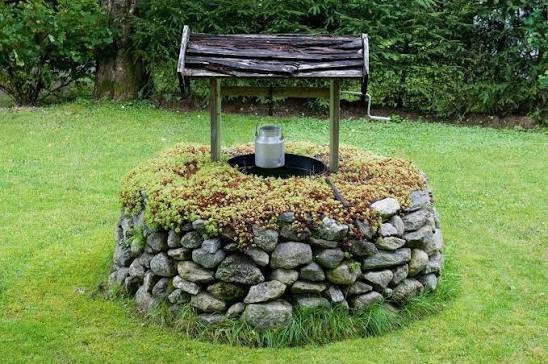
Many foothill homes rely on private wells, and wells must be protected from potential contamination sources. Placer County’s well permitting information states that well plans must show features such as septic systems, sewer lines, animal areas, property lines, and other potential contamination sources within 150 feet of a proposed well site. The county also notes that wells must comply with setbacks from potential groundwater hazards. Source: [Placer County Drilling a Water Well](https://www.placer.ca.gov/3129/Drilling-a-Water-Well)
Even if a pool itself is not the same type of concern as a septic system, pool construction can involve excavation, drainage changes, plumbing, equipment pads, electrical work, retaining walls, and hardscape. On a well property, it is smart to look at the full site plan, not just the pool shell.
Ponds, Creeks, Canals, and Seasonal Drainage
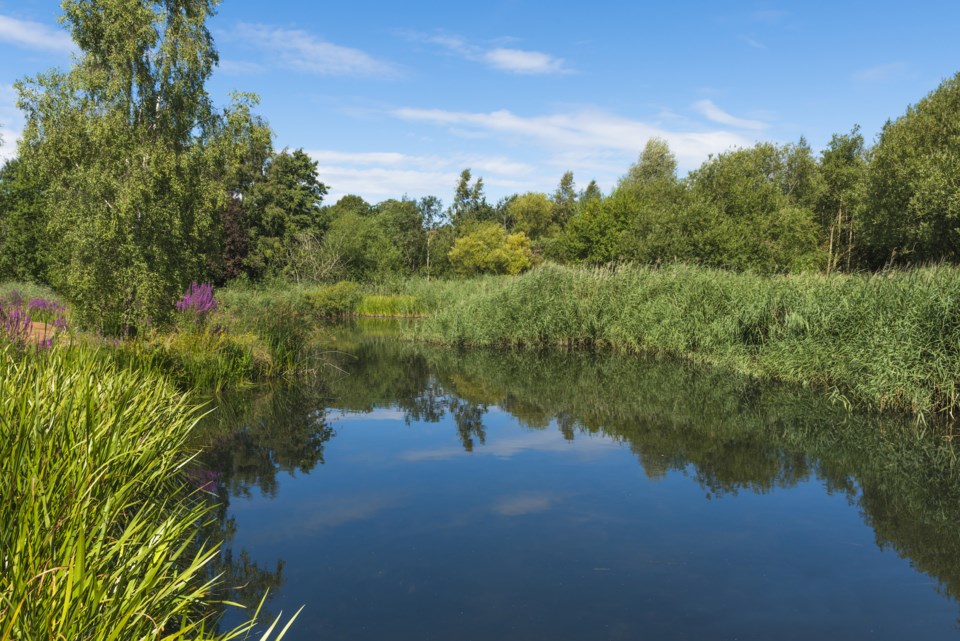
Foothill properties often have water features that may seem informal: a pond, a drainage swale, a seasonal creek, a canal, or a low area that only moves water during storms. These features can still matter.
Placer County’s watercourse setback standards currently state that, outside the Placer County Conservation Plan boundary, proposed structures must be set back from streams, creeks, canals, ponds, lakes, or rivers. The code lists a 100-foot setback from the centerline of a permanent stream shown on the National Hydrography Dataset, a 50-foot setback from certain intermittent streams and canals, and a 50-foot setback from the high water line of a pond or lake, unless an exception applies. Source: [Placer County Code, Watercourse Setbacks](https://ecode360.com/43592759)
That does not mean every puddle or landscaped water feature creates the same issue. It does mean that any visible or mapped water feature should be reviewed before a pool location is assumed to be buildable.
Permits and Safety Requirements
A pool is a permitted improvement. Placer County lists swimming pool/pool applications as part of its residential permit submittal packets, and the pool submittal checklist includes items such as a site plan, topography review, safety features, fencing, gate requirements, bonding, structural calculations, energy forms, heat source details, and gas line information when applicable. Source: [Placer County Pool Submittal Requirements](https://www.placer.ca.gov/DocumentCenter/View/48366/Pool-SFD-Submittal-Requirements-Packet-PDF)
Safety is a major part of the process. Placer County’s private swimming pool and spa safety requirements define a pool as a structure intended for swimming or recreational bathing that contains water over 18 inches deep. The county also requires pool enclosure and drowning-prevention safety features. It states that a swimming pool permit will not be issued until the pool barrier form is completed and returned. Source:
[Placer County Pool Enclosure Requirements]
https://www.placer.ca.gov/DocumentCenter/View/3256/Pool-Enclosure-Requirements-PDF
The Foothill Design Questions
Beyond setbacks, foothill pool planning should look at slope, grading, retaining walls, drainage, access for excavation equipment, soil and rock conditions, tree protection, fire access, outdoor lighting, equipment noise, privacy, and how the pool relates to the home. A pool that looks simple on paper can become more complex when the property has elevation changes or limited access.
The most successful projects usually begin with a realistic site plan. That means locating the house, property lines, easements, septic system, septic repair area, well, propane tank, utilities, drainage features, ponds, creeks, trees, slopes, and access routes before finalizing the pool shape or outdoor kitchen layout.
Owner-Builder vs. Licensed Pool Contractor
Some homeowners explore the owner-builder route to save money, but it comes with real responsibility. A pool project can involve excavation, steel, gunite, plumbing, electrical bonding, gas lines, drainage, retaining walls, plaster, decking, fencing, inspections, and coordination with multiple trades. Savings can disappear quickly if the sequencing is wrong or if a required inspection, setback, or engineering issue is missed.
For many homeowners, a licensed pool contractor or experienced pool designer is worth interviewing early, especially on acreage or septic properties. The right professional should be able to explain what they need from the county, what they need from Environmental Health, and where a civil engineer, septic consultant, soils expert, or surveyor may be needed.
My Practical Advice
Before buying a foothill home with dreams of adding a pool, or before designing one on a property you already own, do not rely on guesswork. Start with the parcel. Review the zoning, septic records, well location, water features, easements, slope, access, and permit path. Then design the pool around what the land will allow.
A beautiful pool can absolutely belong at a foothill home. The key is respecting the property first. In this part of California, the land usually tells you where the pool wants to go.
SOFT DISCLAIMER
This article is intended as general educational information for foothill homeowners and buyers. Pool setbacks, septic requirements, well protections, watercourse rules, zoning, and permit requirements can vary by parcel, jurisdiction, property condition, and code updates. Homeowners should verify requirements directly with Placer County, the appropriate city or town if inside city limits, Environmental Health, Building Services, Planning, and qualified licensed professionals before beginning design or construction.